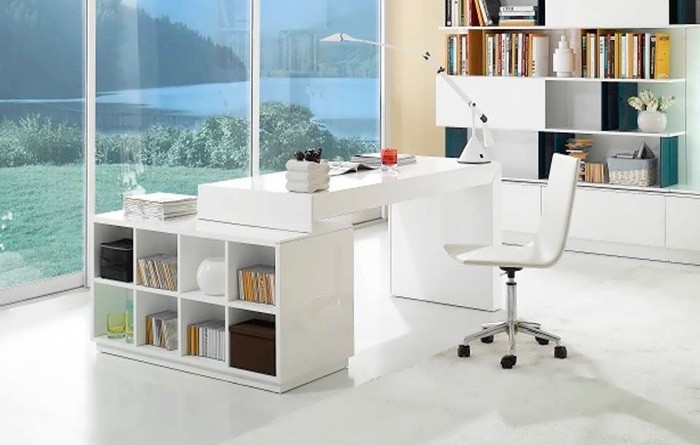
The core of minimalist design is the marriage of form and function. In a space where "less is more," every item you bring through your door must justify its presence. This doesn't mean you have to sacrifice style; rather, it means choosing pieces that are engineered to solve problems while looking beautiful.
When shopping for functional furniture, look for "Multi-Use" capabilities. A dining table that can comfortably transition into a spacious home office desk, or a guest bed that folds seamlessly into a wall (the modern Murphy bed), are staples of the functional home. In the living room, seek out nesting tables that can be spread out for entertaining but tucked away to save floor space during the day.
"Visual Bulk" is another critical consideration. Minimalist furniture often features exposed legs or "floating" designs. By allowing the eye to see the floor extending underneath a sofa or a vanity, the room feels larger and less crowded. Finally, prioritize quality over quantity. One exceptionally well-made leather armchair will add more value to your life and your home's aesthetic than three cheap, bulky chairs that serve no specific purpose. In 2026, the trend is toward "Quiet Utility"—furniture that works hard but stays silent in the background.